
High Yield Autoflower Seeds
High yield autoflower seeds are bred for growers who want bigger harvest weight on a faster, simpler timeline—without needing light-cycle changes. These high-performing autoflowering genetics combine strong yield potential with compact, efficient growth, making it easier to pull dense, productive flowers in a wide range of setups.
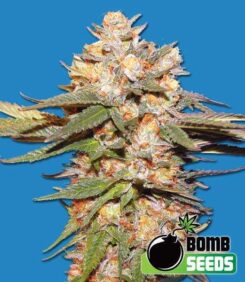
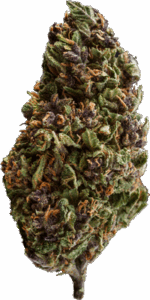
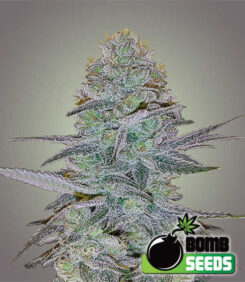
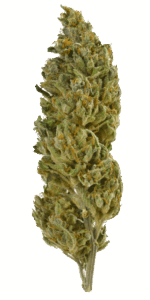
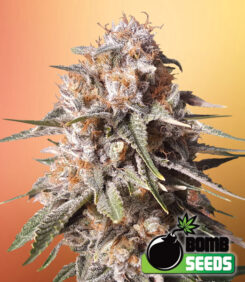
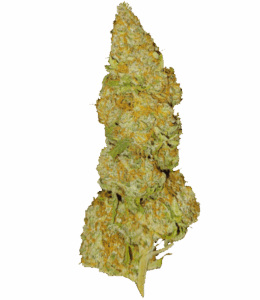
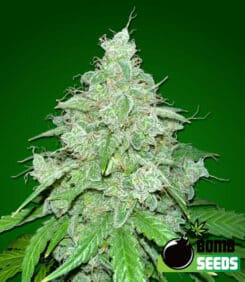
High Yield Autoflower Seeds: Big Harvests on a Fast Seed-to-Harvest Cycle
Autoflowers are popular because they’re straightforward: they flower automatically, run fast, and fit well in many grow spaces. But not all autos are created equal. Our high yield autoflower seeds collection focuses on stable autoflower genetics bred to produce heavier results—more bud sites, better stacking, stronger structure, and more consistent harvest weight when you dial in the basics.
Most high-performing autoflowers contain Cannabis ruderalis in their lineage, which gives them day-neutral flowering (they bloom by age, not by light schedule). The best “high yield” autos combine that autoflower trait with strong photoperiod genetics—so you get both speed and production.
What are high yield autoflower seeds?
High yield autoflower seeds are autoflowering cannabis strains selected for above-average yield potential—usually expressed as:
- grams per plant (outdoors or per container)
- grams per square meter (g/m²) (indoors, under ideal conditions)
They’re typically bred to show:
- Vigorous growth (for autos)
- Strong branching and multiple bud sites
- Solid bud density and good cola formation
- Efficient canopy development that uses light well in a short cycle
Remember: yield figures are estimates. Your final result depends heavily on environment, lighting, root health, and consistency.
Advantages of growing high-yield autoflowering cannabis seeds
1) Faster cycles, frequent harvests
Autoflowers have a short seed-to-harvest timeline, letting you run more cycles per year. High-yield genetics make each run more worthwhile by improving overall production.
2) No light-cycle changes required
Because autoflowers are day-neutral, you don’t need to switch to 12/12 to trigger flowering. This simplifies the grow and makes scheduling easier.
3) Big results in compact spaces
Many growers choose high yield autoflower strains for grow tents or small spaces because autos can stay compact but still stack weight when trained gently and given strong light.
4) Great for growers who value simplicity
Autoflowers are less about extending veg time and more about getting the environment right from day one. When your basics are steady, high-yield autos can deliver surprisingly heavy harvest weight for their size.
What growers can expect from high yield autoflower strains
Yield expectations: grams per plant and g/m²
High-yield autoflowers are commonly described using grams per plant and g/m² estimates. Expect your outcome to vary based on:
- container size (pot size)
- light intensity / coverage
- medium (soil vs coco coir vs hydroponics)
- watering habits and root health
- temperature, humidity, and airflow
Compact but productive structure
Many top-yielding autos aim for a “compact but loaded” structure:
- multiple bud sites
- strong central cola plus productive side branching
- efficient canopy that doesn’t waste time in veg
Speed vs yield tradeoff (and how good genetics help)
Some autos finish extremely fast but don’t yield heavily. High yield autoflower seeds are bred to balance fast cycle convenience with stronger production, so you’re not sacrificing harvest weight just for speed.
How to grow high yield autoflower seeds (basic overview)
This is a simple overview designed to support internal links to deeper grow guides (lighting, feeding schedules, pot size, drying/curing, etc.). Always cultivate responsibly and only where legal.
1) Start strong early (autos don’t wait)
Autoflowers move fast. Anything that slows early growth—overwatering, transplant shock, inconsistent environment—can reduce final yield. Many growers start autos in their final container to protect the root zone.
2) Choose the right medium and container size
- Soil can be forgiving
- Coco can drive faster growth with the right feeding
- Hydro can produce impressive yields but requires more control
Whatever you choose, prioritize drainage and root health.
3) Prioritise light intensity and canopy efficiency
Yield is driven by how well your canopy uses light. Aim for:
- strong, consistent lighting (LED/HPS conceptually)
- even coverage over the canopy
- good airflow/ventilation to support vigorous growth
If you want bigger results, improving light quality and coverage is often the highest-impact upgrade.
4) Use gentle training (LST > heavy stress)
Autoflowers have less time to recover from stress. For many strains, low-stress training (LST) and gentle canopy shaping can increase bud sites and improve light penetration without stalling growth.
5) Keep watering and feeding consistent
Inconsistent watering is one of the biggest yield killers. Use a stable routine and a feeding plan suited to autos—avoid big swings and heavy “corrections.”
6) Finish well: harvest, dry, cure
Drying and curing won’t increase yield, but it protects quality. Proper finishing preserves aroma, smoothness, and the usable value of your harvest.
Q&A
Are high yield autoflower seeds worth it?
Yes—if you want the speed and simplicity of autos without settling for light harvests. High yield genetics increase your ceiling by stacking more productive bud sites and improving overall canopy efficiency within a short seed-to-harvest window.
What’s the best way to increase autoflower yield?
Focus on the biggest levers: strong lighting, a healthy root zone in the right pot size, stable temperature/humidity, and gentle training like LST. Autos reward consistency more than last-minute fixes.
Do autoflowers yield less than photoperiod strains?
Photoperiod plants can yield more because you can extend veg time and build a larger canopy. But high yield autoflower strains can still produce impressive harvest weight for their size—especially when your light and environment are dialed in.
FAQ
What are high yield autoflower seeds?
They’re autoflowering cannabis strains bred for higher yield potential, typically measured in grams per plant or g/m² under good conditions.
How long do high yield autoflowers take from seed to harvest?
Most autoflowers finish on a short seed-to-harvest cycle, but timing varies by strain and environment.
How much can a high yield autoflower produce?
Yield depends on genetics, light intensity, pot size, and consistency—many strains are estimated using grams per plant or g/m² ranges rather than fixed numbers.
What light schedule is best for autoflowers?
Many growers use schedules like 18/6 or 20/4 because autoflowers are day-neutral and don’t require 12/12 to flower.
Is LST good for autoflowers?
Yes—low-stress training (LST) is one of the most common ways to increase bud sites and improve light exposure without heavy recovery time.
Are high yield autoflower seeds good for small grow spaces?
Often, yes. Many high-yield autos are compact but productive, making them a strong fit for tents and limited-height setups.
Do autoflowers need to be grown in the final pot?
Many growers prefer starting in the final container to avoid transplant shock and protect the root zone, though methods vary.
What medium is best for high yield autoflowers: soil, coco, or hydro?
All can work—soil is forgiving, coco can drive fast growth with proper feeding, and hydro can deliver high performance with tighter control.