
Sativa Autoflower Seeds
Sativa autoflower seeds are perfect for growers who want an uplifting, more cerebral strain profile on a fast, straightforward seed-to-harvest timeline. These sativa-dominant autoflower seeds flower automatically without light-cycle changes, combining energetic genetics with compact, efficient growth—always grow responsibly and only where permitted.

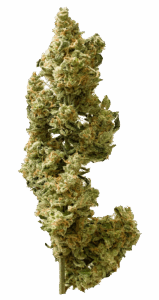
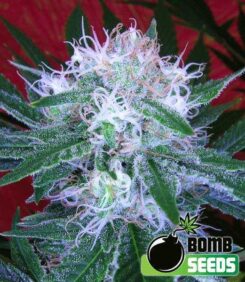
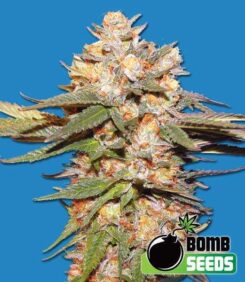
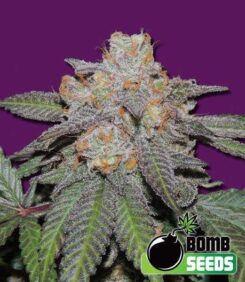
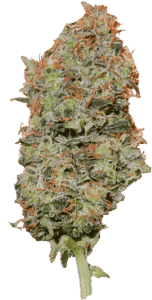
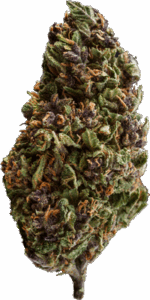
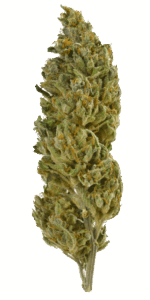
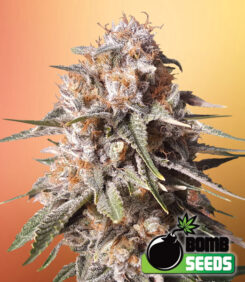
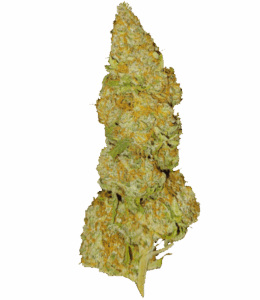
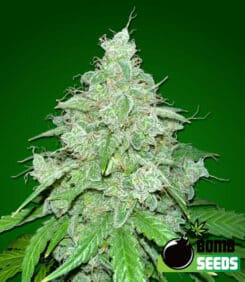
Sativa Autoflower Seeds: Uplifting Genetics With a Fast, Automatic Flowering Cycle
Autoflowers make growing simpler: they flower by age, not by light schedule. Sativa-leaning genetics bring the other half of the appeal—an energetic, clear-headed vibe many users associate with daytime strain profiles. Our sativa autoflower seeds category is built for growers who want both: the convenience of autoflowering genetics and the character of sativa-dominant strains.
Most autoflowers contain Cannabis ruderalis in their lineage, which creates day-neutral flowering (automatic flowering). The best sativa autos balance that trait with carefully selected sativa-dominant genetics, aiming for a lively terpene profile, strong structure, and a reliable finish.
What are sativa autoflower seeds?
Sativa autoflower seeds are cannabis seeds bred to produce sativa-leaning plants that flower automatically on a set timeline. Instead of needing a 12/12 light flip (like photoperiod strains), they follow a natural seed-to-harvest progression, making them popular for growers who want a quicker cycle and simpler scheduling.
They’re often described as:
- Sativa-dominant autoflower seeds (most common)
- Sativa-leaning autoflower seeds (balanced hybrids that tilt sativa)
While “sativa” is a useful category, effects and outcomes are shaped by THC levels, overall cannabinoids, and the strain’s terpene profile as much as the label.
Advantages of growing sativa autoflowering cannabis seeds
1) Fast cycle with no light-cycle changes
Because of day-neutral flowering, you don’t need to change your light schedule to trigger bloom. Many growers run stable schedules like 18/6 or 20/4 (as concepts), keeping the process simple from start to finish.
2) Uplifting, cerebral strain profiles (strain-dependent)
Many sativa-leaning autos are chosen for a more stimulating, clear-headed experience—often described as uplifting, creative, and social. Effects vary by genetics, dose, and the individual, so choose based on the strain’s details rather than the label alone.
3) Great for growers who want speed and variety
Autoflowers make it easier to run multiple cycles and try different sativa-leaning strain profiles across the year, without long veg periods.
4) Compact efficiency compared with tall photoperiod sativas
Photoperiod sativas can grow very tall and take longer to finish. Sativa-dominant autoflowers typically stay more compact and complete their lifecycle faster, which can be ideal for limited-height setups.
What growers can expect from sativa autoflower strains
Growth structure: sativa influence with autoflower practicality
Sativa autos often show:
- Vigorous growth early on
- Some stretch (usually more manageable than photoperiod sativas)
- Branching and multiple bud sites when grown in stable conditions
- Bud structure that can range from airy to dense depending on genetics and environment
Flowering time and seed-to-harvest
Autoflower flowering time is typically quicker than photoperiod strains, but the exact timeline depends on the specific genetics, medium, and environment.
Aroma and terpene expression
Sativa-leaning autos often shine in aroma. Many are associated with terpene profiles featuring compounds like limonene, pinene, terpinolene, and caryophyllene (strain-dependent), which can contribute to brighter, sharper, or more complex character.
Potency and cannabinoids
Some sativa autoflower strains are THC-forward, others are more balanced. Look for clear strain information around THC content/levels and overall cannabinoid profile to match your preference.
How to grow sativa autoflower seeds
This is a simple overview that can link out to deeper guides (light intensity/PPFD, feeding schedules, training, drying/curing). Always cultivate responsibly and only where it’s legal to do so.
1) Start strong from day one
Autoflowers move quickly. Slow early growth can reduce final size and yield. Prioritise a stable environment, gentle watering, and strong root development.
2) Choose the right container and avoid transplant shock
Many growers start autoflowers in their final container to protect root zone health. Selecting the right pot size early can help the plant build momentum without setbacks.
3) Dial in light intensity and canopy efficiency
Yield and flower quality depend on how well your canopy uses light. Focus on:
- solid light coverage (LED/HPS as concepts)
- appropriate light intensity / PPFD
- consistent airflow for vigorous growth
4) Use gentle training (LST is the usual winner)
Sativa autos can branch well, so low-stress training (LST) is often ideal. It spreads the canopy, improves light penetration, and encourages more productive bud sites without heavy recovery time.
(Topping can work for some autos but is strain-dependent and riskier in short cycles.)
5) Keep temperature, humidity, and airflow stable
Stable temperature & humidity plus good ventilation / airflow help prevent stress and keep growth consistent—especially as flowers develop.
6) Harvest, dry, and cure for best results
Proper drying and curing protect the strain’s terpene character and overall smoothness. A good finish can make the difference between “fine” and truly standout flower.
Q&A
Are sativa autoflower seeds good for beginners?
They can be, because autoflowers don’t require light-cycle changes. That said, autos reward consistency—steady watering, stable conditions, and gentle training—so success depends on following simple fundamentals.
Do sativa autoflowers produce energizing effects?
Often, sativa-leaning autos are chosen for uplifting, cerebral strain profiles, but effects vary based on THC levels, terpene profile, dose, and the individual.
Do sativa autoflowers yield less than photoperiod sativas?
Photoperiod plants can yield more because you can extend veg time and build a larger canopy. Sativa-dominant autoflowers can still produce impressive results for their size when your light and environment are dialed in.
FAQ
What are sativa autoflower seeds?
They’re autoflowering cannabis seeds bred to express sativa-leaning traits while flowering automatically on a set seed-to-harvest timeline.
Do sativa autoflower seeds need a 12/12 light cycle?
No—autoflowers are day-neutral and don’t require a 12/12 switch to start flowering.
How long do sativa autoflowers take from seed to harvest?
Most finish relatively quickly compared with photoperiod strains, but the exact seed-to-harvest time depends on genetics and conditions.
Are sativa-dominant autoflower seeds good for small spaces?
Often yes—many sativa autos stay more compact than photoperiod sativas while still delivering uplifting strain profiles.
Is LST good for sativa autoflowers?
Yes—low-stress training is one of the most common ways to improve canopy shape and light exposure without slowing the plant down.
What terpenes are common in sativa autoflower strains?
Many sativa-leaning autos feature terpenes like limonene, pinene, or terpinolene, but profiles vary by strain and phenotype.
Are sativa autoflower seeds high THC?
Some are high THC, others are more balanced—check the strain’s cannabinoid profile and expected THC levels.
What’s the difference between sativa autoflower and photoperiod sativa seeds?
Autoflowers flower automatically and typically finish faster; photoperiod sativas require a light-cycle change and can be vegged longer for larger plants.