
Indica Seeds
Explore premium indica cannabis seeds selected for growers who want compact plants, dense buds, and a more body-focused, relaxing experience. From indica feminized seeds to indica autoflower seeds, this collection makes it easy to choose the right indica genetics for your setup
-
![Bubble bomb cannabis seeds]()
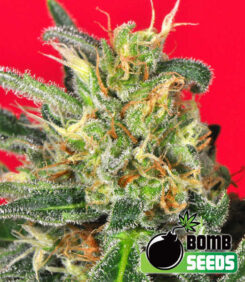
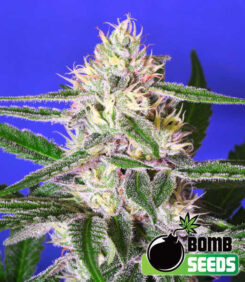
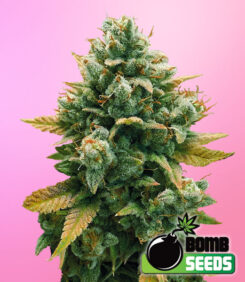
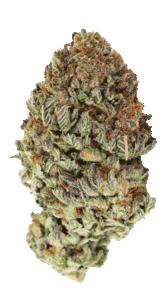 Bubble Bomb Feminized Seeds $35.95
 -
![berry bomb cannabis seeds]()
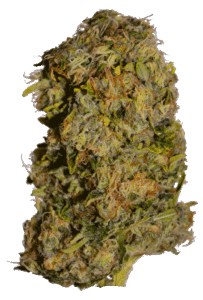
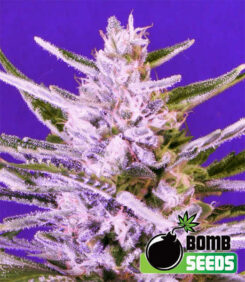
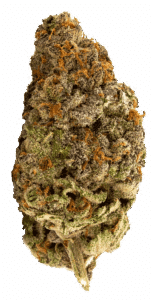
![Berry Bomb Feminized Seeds Bud]() Berry Bomb Feminized Seeds $48.95
Berry Bomb Feminized Seeds $48.95 -
![cluster bomb cannabis seeds]()
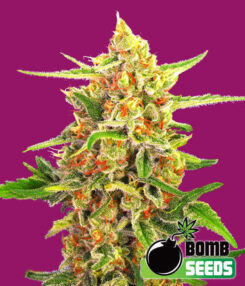
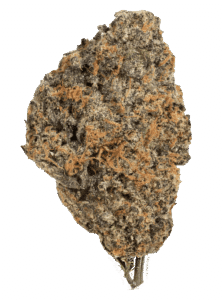
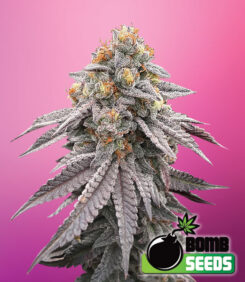
![Cluster Bomb Feminized Seeds Bud]() Cluster Bomb Feminized Seeds $32.95
Cluster Bomb Feminized Seeds $32.95 -
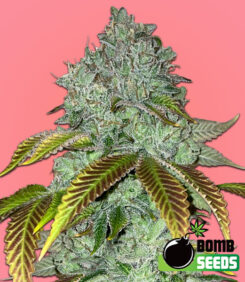
![cherry bomb cannabis seeds]()
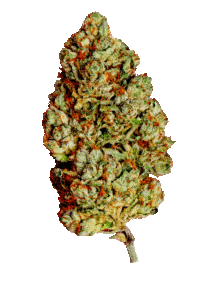
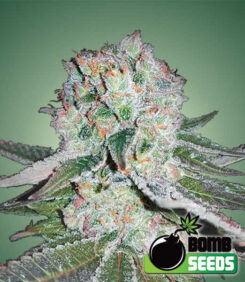
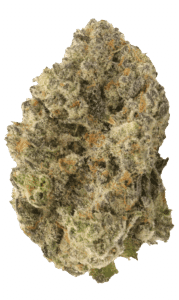
![Cherry Bomb Feminized Seeds Bud]() Cherry Bomb Feminized Seeds $35.95
Cherry Bomb Feminized Seeds $35.95 -
![cheese bomb cannabis seeds]() Edam Bomb Feminized Seeds $35.95
Edam Bomb Feminized Seeds $35.95 -
![ice bomb cannabis seeds]()
![Ice Bomb Feminized Seeds Bud]() Ice Bomb Feminized Seeds $42.95
Ice Bomb Feminized Seeds $42.95 -
![Banana Bomb Feminized Seeds]()
![Banana Bomb Feminized Seeds Bud]() Banana Bomb Feminized Seeds $48.95
Banana Bomb Feminized Seeds $48.95 -
![Godfather Bomb Feminized Marijuana Seeds]() Godfather Bomb Feminized Seeds $48.95
Godfather Bomb Feminized Seeds $48.95 -
![Runtz Bomb Feminized Marijuana Seeds]()
![Runtz Bomb Feminized Seeds Bud]() Runtz Bomb Feminized Seeds $48.95
Runtz Bomb Feminized Seeds $48.95 -
![Glookies Bomb Feminized Marijuana Seeds]()
![Glookie Bomb Feminized Seeds Bud]() Glookie Bomb Feminized Seeds $42.95
Glookie Bomb Feminized Seeds $42.95 -
![Bakex Bomb Marijuana Feminized Seeds]()
![Baked Bomb Feminized Seeds Bud]() Baked Bomb Feminized Seeds $35.95
Baked Bomb Feminized Seeds $35.95 -
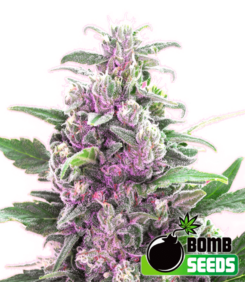
![THC Bomb Regular Seeds]()
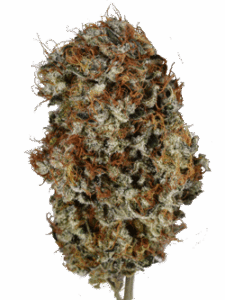
![THC Bomb Regular Seeds Bud]() THC Bomb Regular Seeds $44.95
THC Bomb Regular Seeds $44.95 -
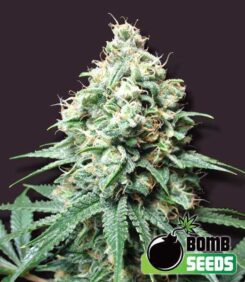
![kush bomb cannbis seeds]() Kush Bomb Regular Seeds $44.95
Kush Bomb Regular Seeds $44.95 -
![cherry bomb cannabis seeds]()
![Cherry Bomb Regular Seeds Bud]() Cherry Bomb Regular Seeds $39.95
Cherry Bomb Regular Seeds $39.95 -
![cheese bomb cannabis seeds]() Edam Bomb Regular Seeds $34.95
Edam Bomb Regular Seeds $34.95 -
![cluster bomb cannabis seeds]()
![Cluster Bomb Regular Seeds Bud]() Cluster Bomb Regular Seeds $34.95
Cluster Bomb Regular Seeds $34.95 -
![berry bomb cannabis seeds]()
![Berry Bomb Regular Seeds Bud]() Berry Bomb Regular Seeds $51.95
Berry Bomb Regular Seeds $51.95 -
![Permanent Marker Bomb Feminized Seeds]() Permanent Marker Bomb Feminized Seeds $42.95
Permanent Marker Bomb Feminized Seeds $42.95
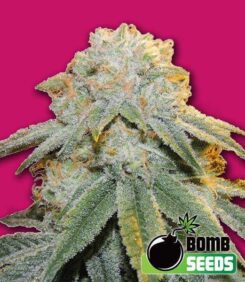
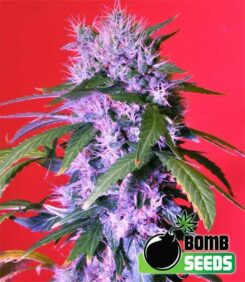
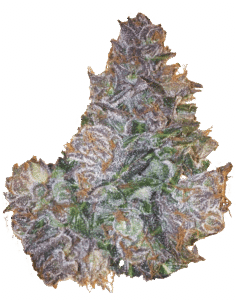
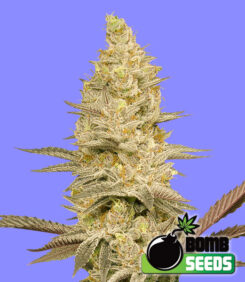
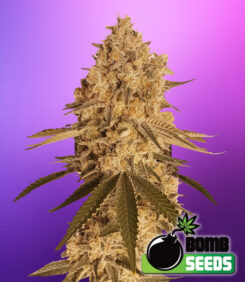
Indica Seeds: Classic Relaxing Genetics With Compact, Bushy Growth
When people shop for indica seeds, they’re usually looking for two things: a specific kind of experience (calming, body-led effects) and a specific kind of plant (shorter, bushier structure that fits indoor spaces well). Our indica marijuana seeds category brings together indica and indica-dominant seeds known for sturdy growth, manageable height, and the potential to produce thick, aromatic flowers.
It’s worth noting that many modern “indica” strains are actually indica-dominant hybrid seeds, and effects can vary based on cannabinoids (like THC and CBD) and terpene profile as much as the label. That’s why we focus on clear strain descriptions—so you can pick indica genetics that match your preferences.
What are indica cannabis seeds?
Indica cannabis seeds produce plants typically associated with:
- Compact plants and short, bushy growth
- Thick stems and sturdy branches that support weight
- Dense buds and tight structure (often with short internodes / tight node spacing)
- A more relaxing, body-focused experience compared to many sativa-leaning profiles
Because bud density can be high, good ventilation / airflow and humidity control matter—especially late in flower—so buds stay healthy and finish strong.
Advantages of growing indica weed seeds
Choosing indica weed seeds can be a smart move for both growers and end users because indica traits often align with consistency and practicality.
1) Compact structure that suits indoor grows
Many indica plants stay shorter and bushier, which makes them popular for grow tents and limited-height setups. Compact growth can also make canopy control easier when paired with basic training.
2) Dense flowers and strong bag appeal
Indica strains are often known for dense buds and heavy flower structure. With good light and steady conditions, they can produce tight, resinous flowers that cure well.
3) Relaxing, evening-friendly strain profiles
A lot of indica-leaning genetics are chosen for a calming, mellow experience—often described as a body high or “couch-lock” at higher doses. Avoid making assumptions, though: effects vary by strain and by the individual.
4) Wide variety: THC-forward, CBD-forward, or balanced
Indica doesn’t automatically mean “high THC.” Many indica lines are THC-dominant, but you’ll also find options with more balanced cannabinoid ratios depending on genetics.
What growers can expect from indica strains
If you’re selecting from best indica seeds or “top indica genetics,” here’s what you can generally expect—while keeping in mind that phenotype and environment matter.
Plant size and structure
- Shorter overall height than many sativa-leaning plants (often)
- Strong branching and thick stems
- More lateral growth (bushy structure), which responds well to shaping
Flowering time
Many shoppers look for fast flowering indica seeds. Indica-dominant genetics often finish quicker than long-flowering sativa-leaning varieties, but exact flowering time depends on the strain and grow conditions.
Bud density and canopy behavior
- Dense buds and tight stacking
- Good response to canopy management (especially in small spaces)
- Because flowers can be dense, dial in humidity and airflow late in flower to protect quality
Effects and chemotype (THC/CBD + terpenes)
Indica effects are influenced by:
- THC levels (strength/intensity)
- CBD content (balance/smoothness, strain-dependent)
- Terpenes like myrcene, linalool, and caryophyllene (often associated with relaxing, warm, or soothing profiles—depending on the full terpene mix)
How to grow indica seeds (basic overview)
This is a simple overview you can use to link out to deeper grow guides (training, feeding schedules, drying/curing, etc.). Always cultivate responsibly and only where it’s legal to do so.
1) Choose your seed type: feminized, autoflower, or photoperiod
- Indica feminized seeds: great if you want a predictable flowering crop without managing male plants
- Indica autoflower seeds: ideal for quicker runs and simpler light scheduling
- Photoperiod indica seeds: best if you want full control over veg time and training
2) Build a healthy foundation (medium + roots)
Pick a growing medium you can manage consistently: soil, coco coir, or hydroponics. Focus on root health with good drainage, steady watering habits, and an environment that avoids extremes.
3) Shape the plant for your space
Indica plants can get bushy. To improve light penetration and airflow, use:
- LST (low-stress training) to spread branches
- topping (where appropriate) to create multiple main colas
- light defoliation to open the canopy (don’t overdo it)
4) Manage environment: temperature, humidity, airflow
Dense buds are great—but they benefit from:
- stable temperature and humidity
- strong but not harsh airflow/ventilation
- consistent lighting and sensible nutrients
5) Finish strong: harvest, dry, cure
Harvest timing and proper drying/curing help preserve aroma and quality. A slow dry and patient cure typically improves smoothness and brings out the strain’s terpene profile.
Q&A
Are indica seeds good for indoor growing?
Often, yes. Indica seeds commonly produce compact plants with bushy growth and sturdy branching, which can be easier to manage in limited-height setups—especially when you use simple training and keep the canopy open for airflow.
What’s the difference between indica, sativa, and hybrid seeds?
Indica and sativa are traditional categories, but many modern strains are hybrids. In practice, you’ll get the best results by looking at the strain’s expected plant structure, flowering time, and cannabinoid/terpene profile rather than relying on the label alone.
Do indica strains always cause couch-lock?
Not always. Many indica-leaning strains are described as relaxing or body-focused, but the effect depends on THC content, CBD content, terpene profile, dose, and the individual—so “couch-lock” isn’t guaranteed.
FAQ – Indica Seeds
What are indica cannabis seeds?
Indica cannabis seeds grow into plants that are often compact and bushy, commonly associated with relaxing, body-led effects and dense buds.
Are indica seeds stronger than sativa seeds?
Strength depends on THC levels and genetics, not the indica/sativa label—both can be potent.
Are indica seeds good for beginners?
Many indica-leaning plants are manageable due to their compact size, but ease of growth depends on the specific strain and your environment.
Do indica strains grow shorter?
Often yes—indica plants commonly stay more compact with tighter node spacing, though individual phenotypes can vary.
How long is the flowering time for indica strains?
Indica-dominant strains often finish faster than long-flowering sativa-leaning plants, but the exact flowering time depends on the strain.
Do you sell indica feminized seeds?
Yes—indica feminized seeds are a popular option for growers who want consistent flowering plants without managing males.
Are there indica autoflower seeds?
Yes—indica autoflower seeds combine indica-leaning traits with an autoflower life cycle for quicker, simpler grows.
What terpenes are common in indica strains?
Many indica-leaning strains feature terpenes like myrcene, linalool, or caryophyllene, though terpene profiles vary by genetics and phenotype.