
Sativa Seeds
Bomb Seeds premium sativa cannabis seeds chosen for growers who want taller plants, uplifting strain profiles, and a more clear-headed, cerebral experience. From sativa feminized seeds to sativa autoflower seeds, this collection helps you find the right sativa genetics for your setup.
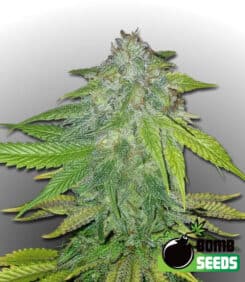
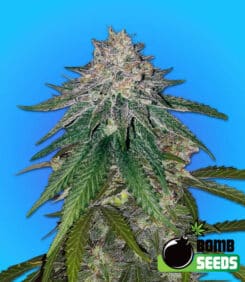
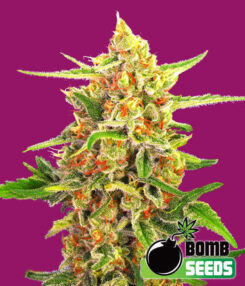
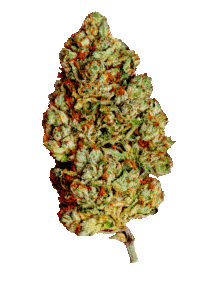
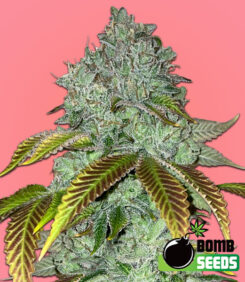
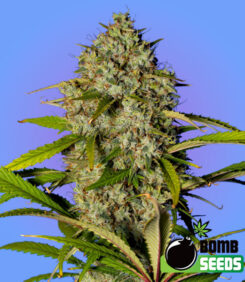
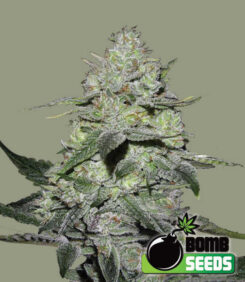
Sativa Seeds: Uplifting Genetics With Tall, Vigorous Growth
When people shop for sativa seeds, they’re usually chasing two things: an energizing, more cerebral type of high and a plant that grows with more vertical vigor. Our sativa marijuana seeds collection includes sativa and sativa-dominant seeds selected for uplifting strain profiles, strong aroma potential, and growth patterns that reward growers who manage height and canopy well.
It’s also worth knowing that many modern “sativas” are actually sativa-dominant hybrid seeds, and the experience you get depends heavily on THC levels, CBD content, and the strain’s terpene profile—not just the label. That’s why we focus on clear descriptions, so you can choose genetics that match your goals.
What are sativa cannabis seeds?
Sativa cannabis seeds produce plants typically associated with:
- Taller growth and more stretch (especially early flowering)
- Longer internodes / internodal spacing compared to many indica-leaning plants
- A more uplifting, stimulating, cerebral high (strain-dependent)
- “Daytime strain” popularity due to clearer, more energetic effects (for many users)
Because some sativa-leaning plants grow tall and stretch, indoor growers often focus on height management and canopy control to keep light distribution even.
Advantages of growing sativa weed seeds
Choosing sativa weed seeds can be ideal if you want a particular experience and you’re comfortable training plants for structure and space.
1) Uplifting, clear-headed strain profiles
Many sativa-leaning genetics are chosen for an energetic or creative feel—often described as uplifting, focused, and social. Effects vary by genetics, dose, and the individual, so use strain descriptions and cannabinoid/terpene info to guide your selection.
2) Big plants with strong outdoor potential
Sativa-leaning plants often have vigorous vertical growth and can become large, productive plants when given enough root space, time, and stable conditions (where permitted).
3) Great candidates for training and canopy work
Because many sativas stretch and branch, they often respond well to training like LST, topping, supercropping, and SCROG, helping you shape a more efficient canopy.
4) Wide range of THC/CBD and terpene expressions
Sativa isn’t one single chemotype. You can find high-THC sativa-leaners, balanced cannabinoid options, and terpene profiles that lean bright, sharp, or complex depending on genetics.
What growers can expect from sativa strains
If you’re shopping for best sativa seeds or “top sativa genetics,” here’s what you can generally expect—while remembering phenotype and environment play a big role.
Plant size, stretch, and structure
- Taller plants with noticeable stretch, especially at the flip into flower
- Longer internodes and lighter, airier structure (strain-dependent)
- Can require more active canopy shaping to keep light hitting productive tops
Flowering time
Many true sativa-leaning strains take longer to finish than indica-dominant varieties. Some fast flowering sativa seeds exist (often sativa-dominant hybrids), but flowering time varies widely by genetics and conditions.
Bud structure and density
Sativa buds can range from dense to more airy depending on genetics, environment, and light intensity. Strong lighting, stable climate control, and good canopy structure help improve flower quality.
Effects and chemotype (THC/CBD + terpenes)
The “sativa experience” is influenced by:
- THC (tetrahydrocannabinol) content and overall potency
- CBD (cannabidiol) presence (strain-dependent)
- Terpenes such as limonene, pinene, terpinolene, and caryophyllene—often associated with brighter, more uplifting or clear-feeling profiles depending on the full mix
How to grow sativa seeds
1) Choose your seed type: feminized, autoflower, or photoperiod
- Sativa feminized seeds: great if you want predictable flowering plants without managing males
- Sativa autoflower seeds: useful for simpler light schedules and faster cycles (often more compact than photoperiod sativas)
- Photoperiod sativa seeds: best for growers who want full control over veg time, training, and canopy shaping
2) Plan for height and stretch early
Many sativa-leaning plants stretch in early flower. Keep height manageable by:
- training early (LST)
- topping at the right time (strain-dependent)
- using SCROG to spread tops horizontally and level the canopy
- avoiding over-veg if vertical space is limited
3) Keep the environment stable (airflow matters)
Sativas benefit from:
- strong ventilation / airflow
- stable temperature and humidity
- consistent lighting intensity and good canopy penetration
4) Feed consistently and protect root health
Choose a medium you can manage (soil, coco coir, or hydroponics) and keep watering/nutrients steady. Big swings and overcorrections can slow growth and reduce final quality.
5) Finish properly: harvest, dry, cure
Sativa terpene profiles can be especially aromatic. Proper drying and curing help preserve the strain’s character, improve smoothness, and protect overall quality.
Q&A
Are sativa seeds good for indoor growing?
They can be, but indoor growers usually need to manage height and stretch. Training methods like LST, topping, and SCROG help keep the canopy even and make sativa-leaning plants more space-efficient.
What’s the difference between sativa, indica, and hybrid seeds?
Sativa and indica are traditional categories, but many modern strains are hybrids. In practice, look at plant structure, flowering time, and the cannabinoid/terpene profile rather than relying only on the label.
Do sativa strains always feel energizing?
Not always. Many sativa-leaning strains are described as uplifting and cerebral, but effects depend on THC/CBD levels, terpene profile, dose, and the individual.
FAQ
What are sativa cannabis seeds?
Sativa cannabis seeds grow into plants often associated with taller structure, longer internodes, and a more uplifting, cerebral experience.
Are sativa seeds stronger than indica seeds?
Strength depends on THC levels and genetics, not the sativa/indica label—either can be very potent.
Are sativa strains harder to grow?
They can require more height and canopy management due to stretch, but with training and stable conditions they’re very manageable.
Do sativa plants grow taller?
Often yes—many sativa-leaning plants have more vertical vigor and stretch, especially at the start of flowering.
How long do sativa strains take to flower?
Many sativas take longer than indica-dominant strains; exact flowering time depends on genetics and growing conditions.
Do you sell sativa feminized seeds?
Yes—sativa feminized seeds are ideal for growers who want consistent flowering plants without managing males.
Are there sativa autoflower seeds?
Yes—sativa autoflower seeds offer sativa-leaning effects with a simpler life cycle and usually more compact growth.
What terpenes are common in sativa strains?
Many sativa-leaning strains feature terpenes like limonene, pinene, or terpinolene, though terpene profiles vary by strain and phenotype.